


Contact
+92 (42) 111-111-896Head Office
313 West Canal Bank Road, Near PCSIR Society, Lahore
Quick Links
Utility Pages
Email
info@das.edu.pk









In our pre-school classrooms the most valuable learning aids are rarely the most expensive ones. Blocks, puzzles, beads, sand, water, clay, picture cards and everyday household objects do more for a young child than any screen. A good toy is one that invites the child to do something — to sort, stack, fit, count, name or build — and the play that follows is the lesson.
This is the principle behind the activity-based teaching at Dar‑e‑Arqam Schools. The material matters less than what the child is asked to do with it, and how a trained teacher guides the play that follows. Our own workbooks and learning materials are prepared by our curriculum wing and published through Uswa Publications.
Look for three things. First, open-endedness: can the child use it in more than one way? Second, appropriateness: does it match the child’s stage of development, not only their age on paper? Third, safety: are the pieces large enough, smooth enough and non-toxic? These are the questions our teachers ask when materials are chosen for a classroom.
Then watch the child. A toy that is too easy becomes boring within minutes; one that is far too hard becomes a source of frustration. The right challenge — achievable with effort — is where concentration and confidence are built, and where a child learns to stay with a task long enough to finish it.
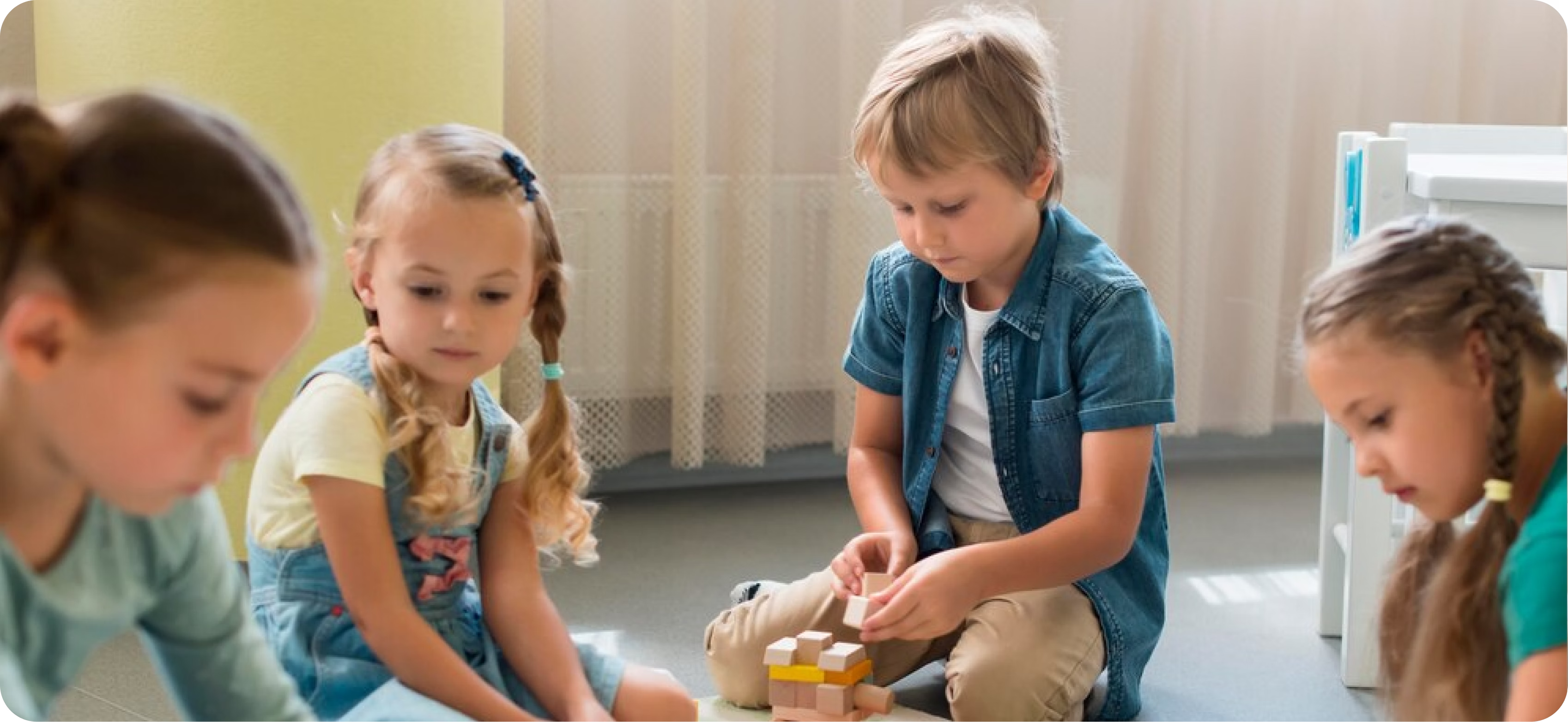
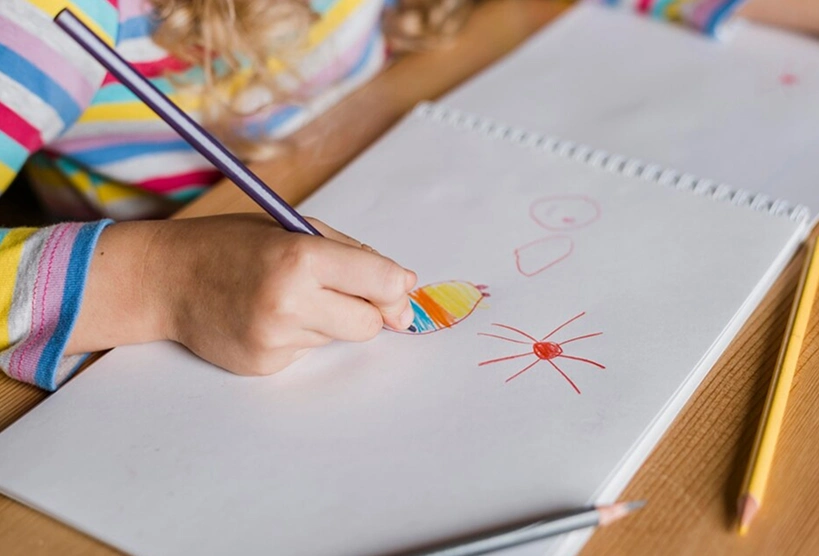

You do not need a room full of toys. A small, well-chosen set that is rotated rather than handed over all at once keeps interest alive. Counters, a simple puzzle, crayons, a ball, a box of scrap material and a picture book will serve most children better than a shelf of electronic gadgets that do the playing for them. Keep the rotation moving every few weeks, and introduce one new material at a time so that it can be explored properly.
Above all, play alongside your child. Name what they are doing, ask one good question, and let them lead. That is what our teachers do every day in 700+ branches across Pakistan, and the confidence it produces is the best educational outcome of all.