


Contact
+92 (42) 111-111-896Head Office
313 West Canal Bank Road, Near PCSIR Society, Lahore
Quick Links
Utility Pages
Email
info@das.edu.pk








Responsibility is not taught in a lesson; it is practised in a routine. At Dar‑e‑Arqam Schools the work begins with small, visible tasks: returning a book to its shelf, packing a school bag, watering the classroom plant, helping to set out mats for assembly. Done often enough, these tasks stop being chores and become habits.
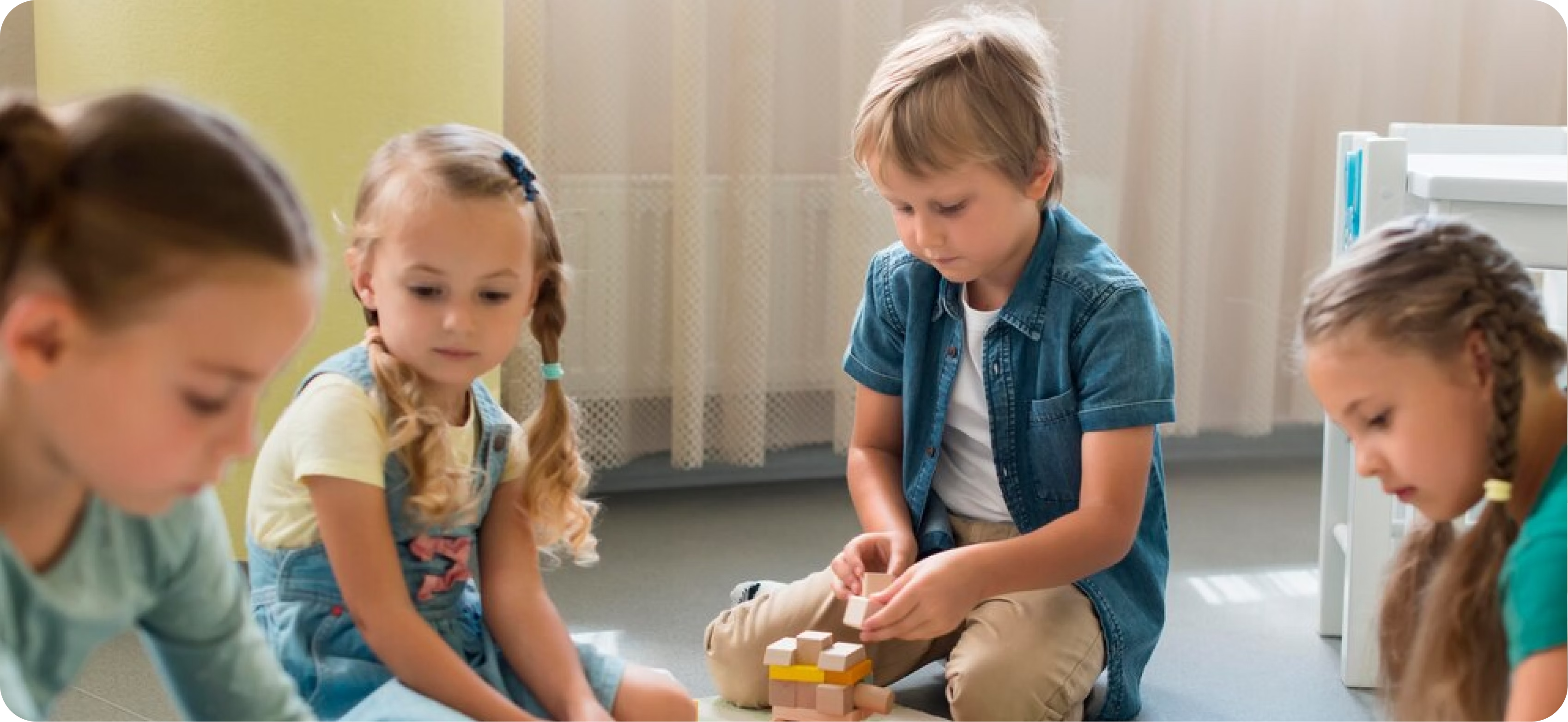
The early years are the easiest time to begin. A five-year-old who is trusted with a job learns something no explanation can give: that their effort matters to other people. That is the beginning of responsibility, and it asks more patience of the teacher than skill.
Our teachers arrange the classroom so that children can do things for themselves — trays at child height, materials labelled with pictures, a routine that repeats in the same order each day. The aim is not a perfectly tidy room but a child who knows what to do next and takes pride in doing it.
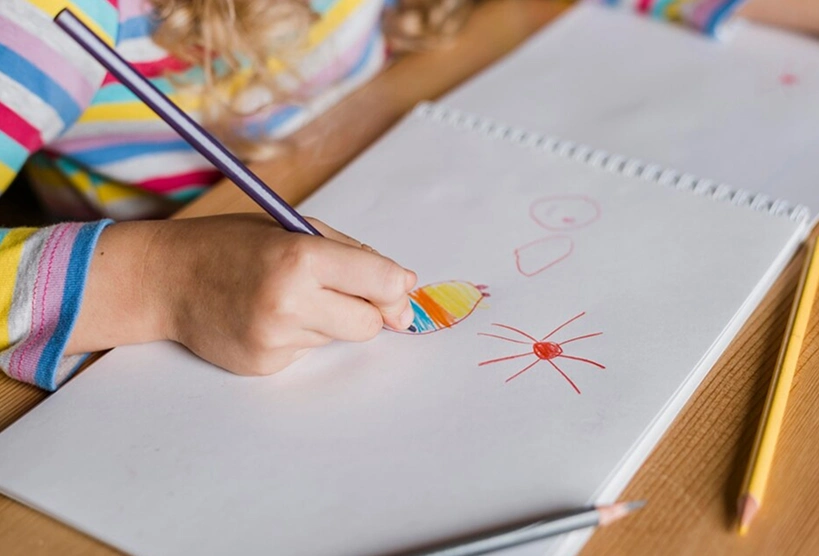
Our personality development programme sits behind this. We want to develop confidence, respect, honesty and courage in our students, and those qualities grow through practice. A child who finishes a task honestly, without help, has a small experience of all four, and carries it into the next task.

Our mission commits us to inculcate a sense of responsibility and dedication towards society. That begins in a classroom but is meant for a lifetime. The habits formed at five — punctuality, care and follow-through — are the ones that carry a student through Matric and into adult life.
Parents are part of this too. We ask families to give their child one small job at home and to let them do it imperfectly. Our PTA meetings, held on the last Saturday of every month, are a good place to compare notes and agree the next step.