


Contact
+92 (42) 111-111-896Head Office
313 West Canal Bank Road, Near PCSIR Society, Lahore
Quick Links
Utility Pages
Email
info@das.edu.pk










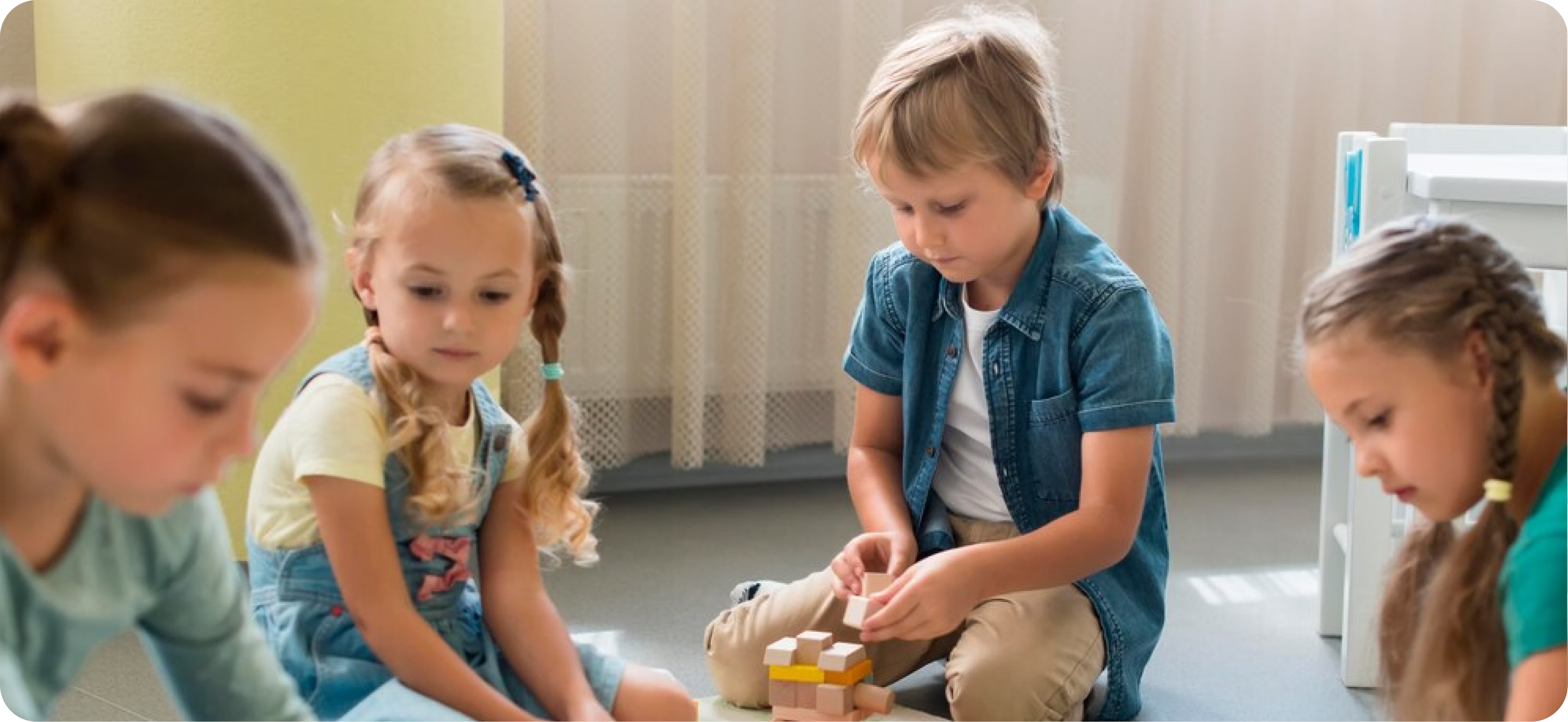
A child’s first friendships are also first lessons in being human. In our pre-school classrooms children learn to wait for a turn, to ask before borrowing, to notice when a classmate is upset and to say sorry when they have been unkind. These are not soft skills to be added later; they are the conditions in which learning becomes possible.
Dar‑e‑Arqam Schools serves 300,000+ students in 700+ branches across 150+ cities. That scale is built on classrooms where a child feels known. In Play Group, Nursery and PREP, trained teachers and a calm, well-equipped environment leave room for conversation, shared play and gentle guidance.
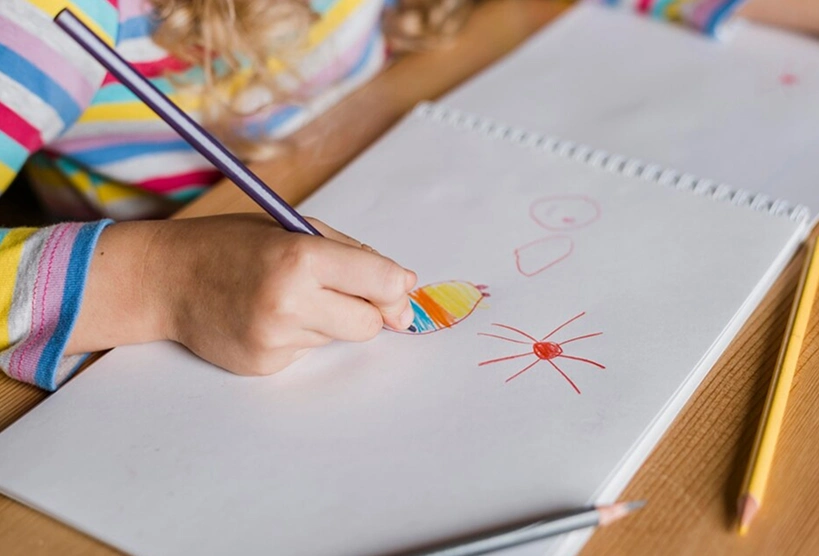
The school day is full of small social rehearsals: lining up, sharing materials, working in pairs, presenting work, tidying together. Our activity-based approach makes these moments frequent and low-pressure, so that children practise cooperation many times a day rather than once in a while.
Co-curricular life extends the same practice. Sports, education trips, quizzes and debates give children a chance to be part of a team, to win and lose graciously, and to represent their campus. Visitors often remark on the confidence with which our students speak; that confidence is practised, not innate.

Social learning does not stop at the school gate. Our Parents Teachers Association meets on the last Saturday of each month, and those conversations often begin with friendships and classroom conduct before they turn to marks. Parents tell us what a child is like at home; teachers share what we see in class; together we agree the next small step.
Our mission speaks of grooming personality and preparing students to serve their society. It begins with something very ordinary: a child who can sit beside another child, share what they have and listen. Everything else in school is built on it.